Many EB-5 investors usually start their EB-5 journey with a simple question: Can I get a U.S. green card by investment?
The quick answer:
The United States offers the EB-5 Immigrant Investor Program, which allows qualifying investors and eligible family members to pursue U.S. lawful permanent residency by investing in a qualifying commercial enterprise that supports job creation in the United States.
So EB-5 should not be understood as “buying” a green card. It is a much more complex system, involving a regulated, immigration-linked investment pathway with eligibility requirements, capital at risk, documentation obligations, job-creation requirements, and a formal immigration review process.
EB-5 is a permanent residency pathway, not a shortcut
The United States does not offer a simple, direct citizenship-by-investment product as some countries market investment migration programmes. EB-5 is a pathway to lawful permanent residency in the United States, commonly referred to as a green card. Citizenship becomes a later consideration if the permanent resident meets the relevant naturalisation requirements over time.
According to the U.S. Department of State, immigrant investor visas are for investors seeking to enter the United States through new commercial enterprises that benefit the U.S. economy through job creation and capital investment. It also states that a qualifying investment must create full-time jobs for at least 10 qualifying U.S. workers within the required period.
For families considering this life-enriching investment, EB-5 also becomes meaningful because a spouse and unmarried children under 21 may apply for immigrant visas with the principal investor based on an approved petition.
That family dimension is one reason EB-5 can be relevant for individuals seeking to diversify their family planning. It becomes not only about the principal applicant, but forms part of a wider family future-planning conversation.
A green card search is only the starting point
Global investors typically aren’t searching for basic mobility. According to the Henley Passport Index, countries like Singapore already sit at the top tier of global access, with visa-free access to 192 destinations.
So, in this particular market, EB-5 should not be positioned as a travel-access solution, but rather as a U.S. permanence conversation.
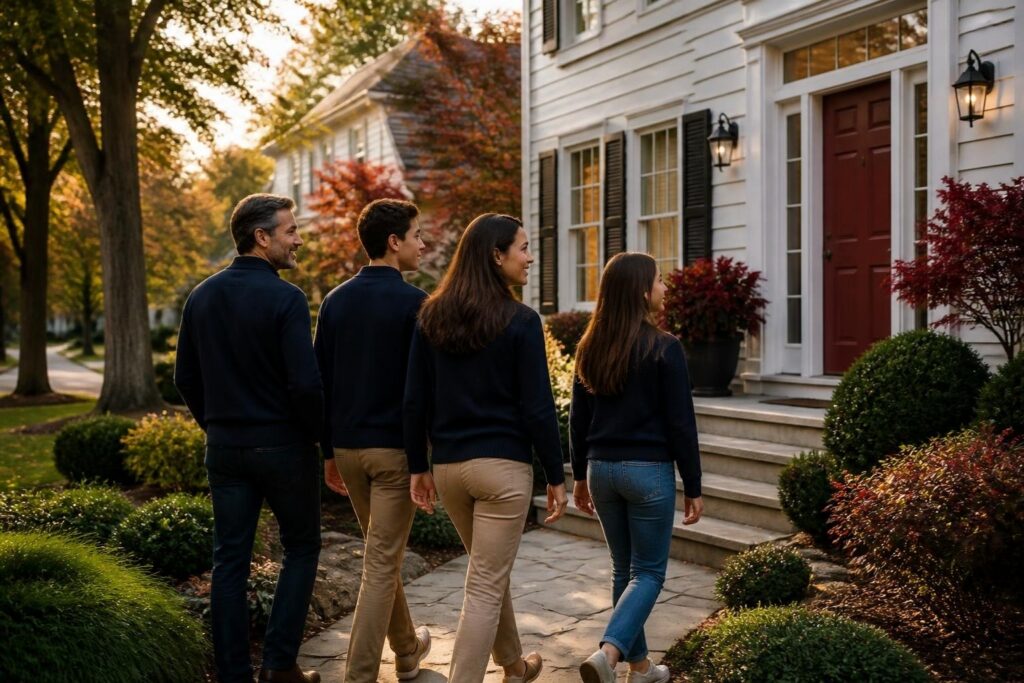
Access allows a family to visit the United States. Permanence creates a different foundation: the ability to live, study, work, build, and plan around a long-term U.S. presence, subject to the immigration process’s requirements and conditions.
That means more options to secure your family’s future in today’s highly interconnected world.
Why the project matters in a green card by investment conversation
An important, yet under-discussed, aspect of the EB-5 journey is not so much green card access, but the project itself. As a potential investor, you should ensure you ask:
- What is the underlying asset?
- Where is the project located?
- What demand does it serve?
- What is the structure of the investment?
These questions matter because EB-5 is still an investment. A significant amount of capital goes into a real project, and responsible EB-5 conversations should not simply imply that the investment is risk-free or that immigration outcomes are guaranteed.
This is where FirstPathway Partners’ Ameyalli project comes into play.
Ameyalli is a thermal springs residential resort retreat in Midway, Utah, spanning 28 acres and home to 28 natural mineral hot springs. The project is situated near prime real estate in Park City and Deer Valley, with residences, cottages, luxury guestrooms, and an approximately 50,000-square-foot Wellbeing Centre.
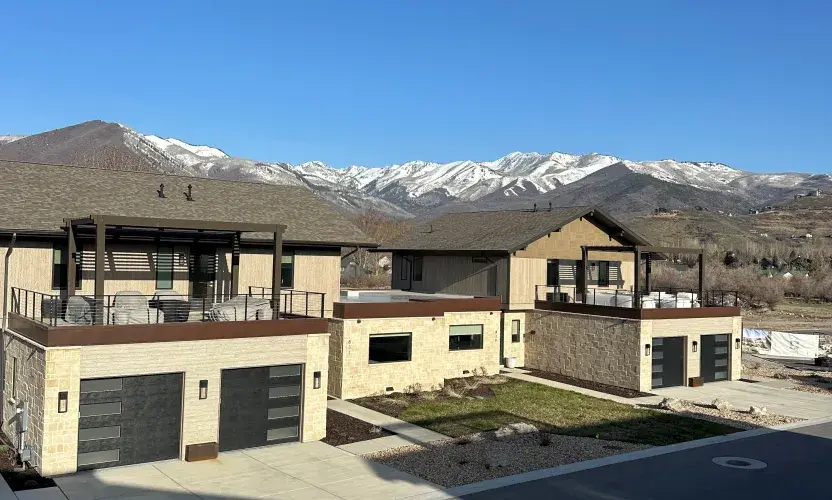
For investors, this gives the EB-5 conversation a more tangible centre. It is a conversation around a specific asset, in a specific location, aimed at driving tangible development and revenue.
Ameyalli and the importance of structure
On October 8, 2026, Ameyalli Resort & Residences received Form I-956F approval from U.S. Citizenship and Immigration Services. This approval confirms USCIS reviewed the project’s documentation and found it meets the applicable EB-5 programme requirements.
Since Ameyalli is a designated Rural Targeted Employment Area project, qualifying investors will benefit from the programme’s 20% rural visa set-aside, priority processing of Form I-526E petitions, and the $800,000 minimum investment threshold.
Why wellness real estate strengthens the Ameyalli story
The Global Wellness Institute reported that the wellness real estate market reached $876 billion in 2025 and is forecast to reach $1.8 trillion by 2030.
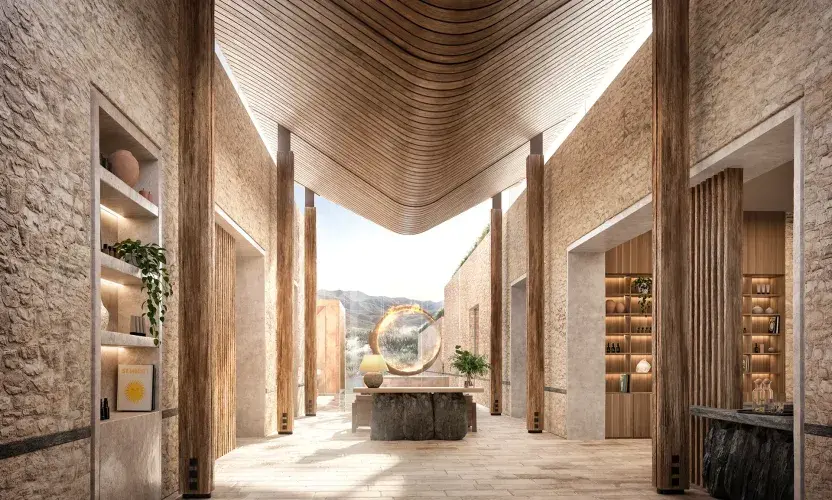
This helps explain why global investors tracking long-term demand patterns may pay attention to wellness-led residential resorts. Wellness has transcended being a luxury amenity. It is increasingly influencing how people think about where they live, travel, recover, age, and spend meaningful time.
This gives Ameyalli a clearer investment narrative as a wellness-led real asset in a growing global category.
The opportunity for Singapore-based investors
Singapore is one of the world’s most sophisticated wealth hubs, with the Monetary Authority of Singapore reporting that assets under management reached S$6.7 trillion at the end of 2025, and 50% of Singapore’s affluent investors seek investment exposure outside their home market.
The push is not for generic access. They are looking for structured opportunities that can support broader family, wealth, and jurisdictional planning.
The EB-5 program can fit into that discussion when presented with the right discipline and strategy. It becomes advantageous to then evaluate the opportunity as both an immigration pathway and an investment decision.
How to look at a green card by investment
The phrase “green card by investment” has become extremely common in the EB-5 conversation, but it doesn’t capture the full context of the EB-5 Program. As a potential investor, your framing and understanding of the initiative are essential to the success of your planning. A better framing to help you understand the impact of the program is:
Can EB-5 support my family’s long-term U.S. plans, and does the selected project deserve serious consideration?
For some families, the answer may involve children’s education, while for others, it may involve long-term relocation flexibility, business expansion, future career access, or simply creating a more permanent U.S. option before it becomes urgent.
But in every case, the project still matters; so do the structure and your partner. And the process deserves careful, qualified guidance.
Final thoughts
Yes, a U.S. green card pathway exists through investment, but EB-5 is not a shortcut, and you should not treat it as a simple transaction.
The most valuable EB-5 conversations are the ones that combine family strategy, U.S. permanence, investment discipline, and project-level clarity.
Ameyalli gives that conversation a tangible centre: a rural EB-5 project, positioned around wellness real estate, natural scarcity, destination hospitality, and a defined U.S. asset story.
For families exploring a U.S. green card by investment, that is where a more considered conversation should begin.
Start the EB-5 conversation with FirstPathway Partners and explore whether Ameyalli aligns with your family’s long-term U.S. plans.